1851. The Crooked Clerk

The people of Tunbridge Wells put a great deal of trust in Benjamin Lewis. Not only was he Clerk to the Commissioners, he also acted as secretary and collector for the gas and water companies, as vestry clerk for the Parish of Speldhurst and as collector for numerous other organisations. In total he held around 14 different appointments. Then on 13th June 1851 50-year-old Benjamin left town and it became apparent that this trust had been misplaced.
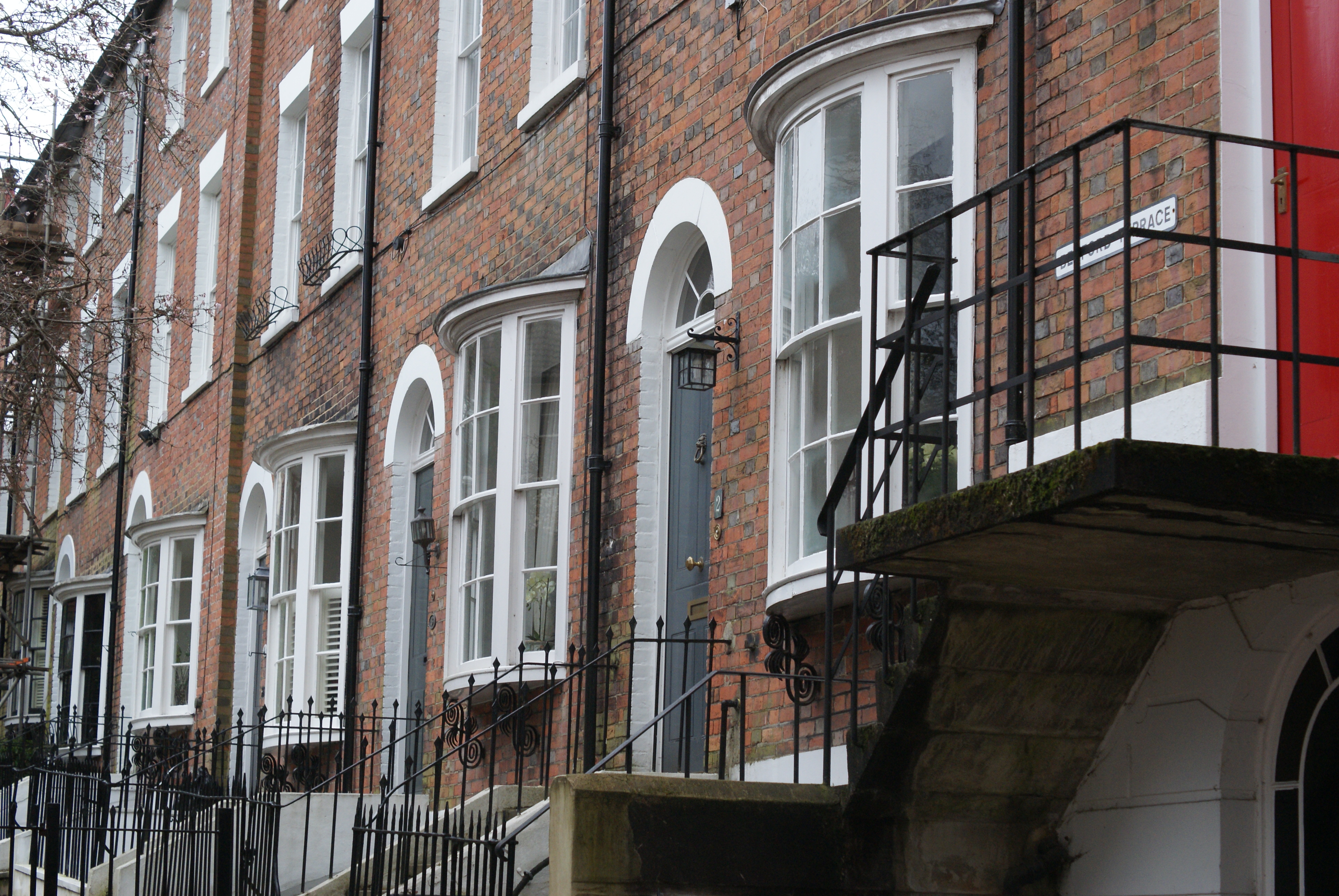
Bedford Terrace, where Benjamin and his family lived

In the first part of the nineteenth century retired army and navy officers and East India Company officials began making Tunbridge Wells their permanent home. (Previously the town had a large number of summer visitors, but only a small resident population). A building boom took place to create homes for these new occupants, and for the servants, shopkeepers and other workers who moved here too. This in turn placed demand on the town’s infrastructure, which now required more effective management. In 1835 a new Board of Commissioners took responsibility for matters such as lighting, water, cleaning and law and order. Around seven years later Benjamin Lewis was appointed as their Clerk. The job involved many administrative duties – for example when new regulations were drawn up for the local Fire Service in 1845, it was he that signed them. But his main role was the collection of local taxes and other payments. He proved very good at this and over time he was appointed as collector for more and more local bodies.

When, at some point, Benjamin began to siphon off a large proportion of the money he was collecting, he did it with such confidence that most people suspected nothing. However, members of the Speldhurst Vestry realised that something was wrong and at a meeting on 11th June one of them made allegations of dishonesty against him. These were withdrawn when he agreed to give up the Vestry books, retire from office and never seek employment at any other parish. However, the event seems to have made him fearful that other misdemeanours would be uncovered (one of the vestry members was also a proprietor of the gas company) and so two days later he fled.
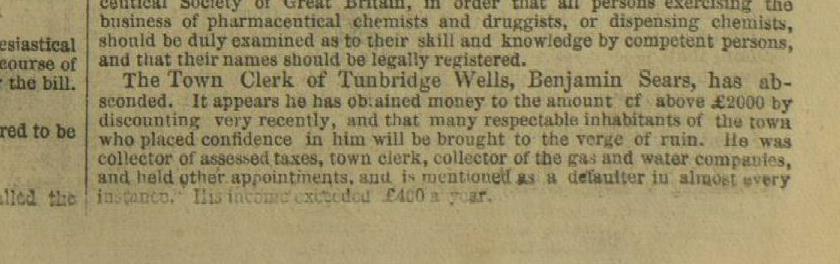
ILN on Benjamin Lewis

Even the Illustrated London News reported that the Tunbridge Wells Town Clerk had absconded, although they got the name wrong and called him Sears

It was quickly established that Benjamin had left Tunbridge Wells by the 5 o’clock train. An employee of the Gas Company encountered him the following morning on a train from London Bridge and reported that he got off at Godstone in Surrey. After that the trail went cold and there was no further clue to his whereabouts, although he was rumoured to have sailed to America. The story of his disappearance was reported in newspapers across the country and a reward was offered for his apprehension.

When the Speldhurst Vestry’s books were examined it was found that £500 was missing. The gas and water companies reported that they had each lost a similar amount and shortfalls were found across all the organisations Benjamin had worked for. It was reported in the press that he had embezzled as much as £4,000 in total (around £400,000 in today’s money).

Word spread rapidly round the town as the extent of the thefts became apparent and there was general amazement that such a well-respected man had turned out to be a thief. Given that his annual income had been as much as £400, people wondered why he had taken this course.

In early July the Commissioners, rather surprisingly, appointed Benjamin’s son William as temporary clerk in his place, the Chair having testified to his good character. Arrangements were made for the appointment of a permanent new clerk, with the Commissioners clear that, whoever was appointed, they would not be paid the same generous salary as Benjamin. William applied for the position, but was unsuccessful, receiving 25 votes compared to 45 cast for bookseller John Elliott, who was duly appointed.

You might assume that Benjamin would not think of showing his face in town again. However, the following February the West Kent Guardian reported that one of his sons had written to the Tunbridge Wells gas company on his behalf, asking their permission to return from ‘a foreign clime’ and offering to cash in a life insurance policy so that he could, on some future occasion, ‘make a grateful return for their leniency’. Unsurprisingly this offer was refused and the message was sent back that, while they would not pursue him, if he did return to Tunbridge Wells the law would be allowed to take its course. There is no evidence that he ever ran the risk of that happening.

1871 Census entry for Benjamin Lewis

By the time of the 1871 census Benjamin was back in England.  Now 70 years old, he was described as a Gentleman and recorded as living in Lambeth, at the home of son William. His wife Sarah and two of his other children were at the same address, so it seems that his family at least had forgiven him.

Note

The 1835 Tunbridge Wells Improvement Act entrusted the town’s running to a Board of Commissioners, who were responsible for ‘lighting, watching, cleansing, regulating and otherwise improving the town of Tunbridge Wells in Kent and Sussex, and for regulating the supply of water and establishing a market within the said town’. All men who owned or rented a property worth more than £50 a year were entitled to sit on the board and members were a mixture of gentry, professionals and tradesmen.
1735. The Master of Ceremonies

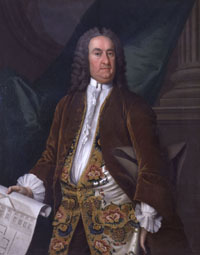
Beau Nash in 1745

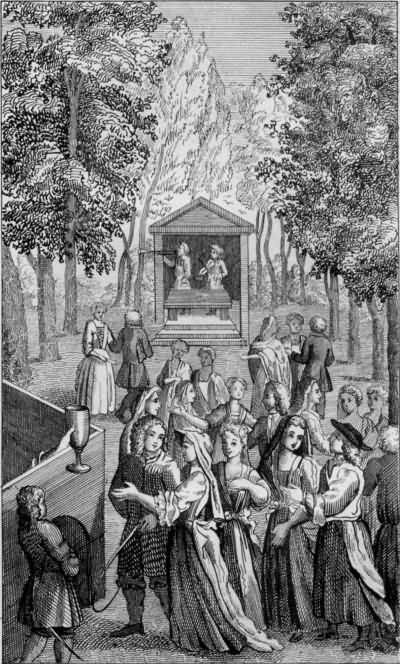
A scene is repeated each year in Tunbridge Wells from 1735 onwards: a large carriage rolls into town, pulled by six grey horses and followed by footmen, servants on horseback and a band of musicians blowing French horns. When the carriage pulls to a stop, a man emerges from it who has a stout figure, a red face, a long nose and a double chin. His clothes are showy, although not in the latest fashion, and on his head he wears a three-cornered white hat. From the manner of his arrival an onlooker might suppose that a royal visitor has arrived in town, but local residents know that he is not a royal, or even an aristocrat. He is Beau Nash, the Master of Ceremonies and this is his usual manner of arriving in town for the summer season.

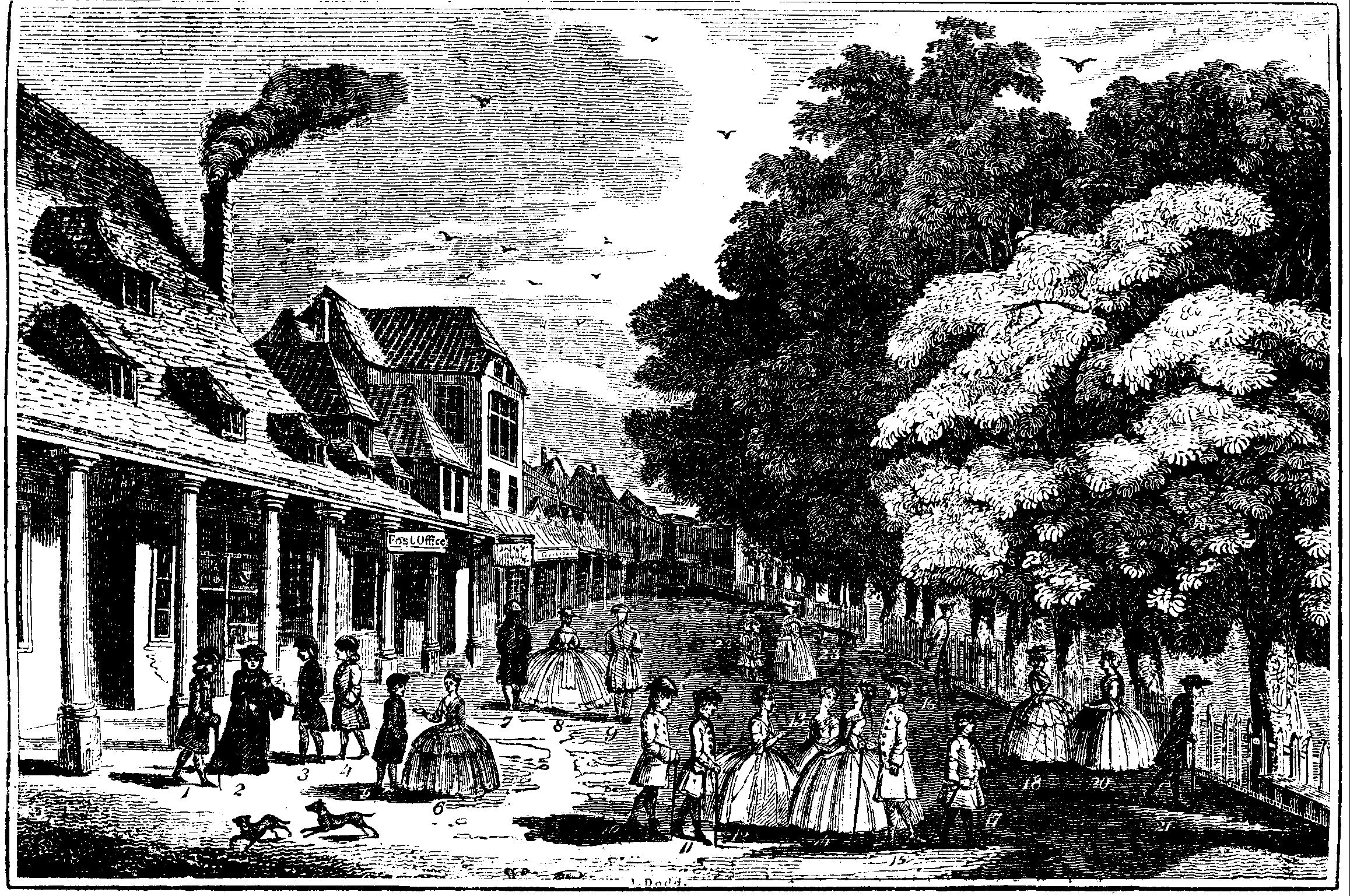
Tunbridge Wells in 1748. From an engraving by Samuel Richardson

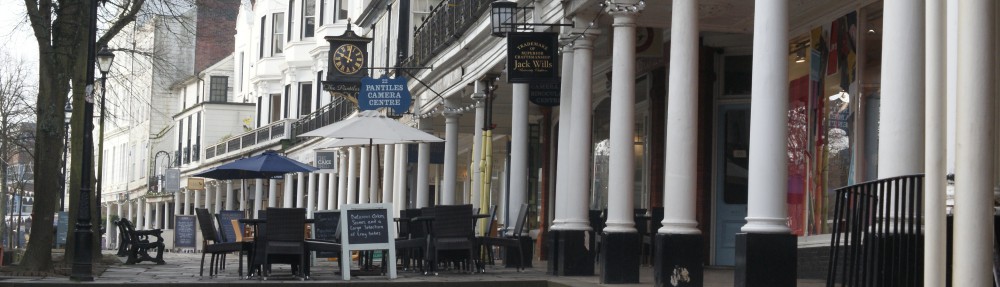
More than 100 years after Long North discovered the spring, the location’s popularity had grown. The Walks (Upper and Lower) had been built alongside the wells, consisting of lodging houses, separate coffee rooms for ladies and gentlemen, a circulating library, shops and the Assembly Room. Further accommodation was available close by on Mount Sion and up above the common on Mount Ephraim. However, only a small number of people lived in the town permanently and their houses were scattered through woods and commons. The place still felt more rustic than urban – something which was attractive to visitors from London.

When 61-year-old Welshman Richard ‘Beau’ Nash declared himself Master of Ceremonies in 1735, residents of Tunbridge Wells (as the place was now known) were delighted, especially traders who were aware of the boost his presence had given to Bath over the past 30 years. While he was not handsome, or from a noble background (his father was a glass bottle maker), he was supremely confident and his wit and abundance of small talk made him popular, especially with ladies.

Beau Nash, who called on all new visitors to the spa, set a programme that was to be followed each day which included promenading, taking the waters, attending the chapel of King Charles the Martyr, tea drinking, gaming and (twice a week) public balls. He also prescribed a code of behaviour which visitors were expected to observe, including a ban on men carrying swords.

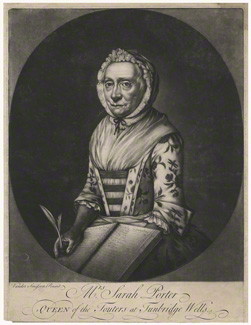
Sarah Porter by William Pether (in the National Portrait Gallery)

Dippers, musicians, bellringers, waiters, clergy, booksellers the sweeper and others all had to be paid and Nash set subscriptions to be levied from visitors. He employed Sarah Porter, who became known as the ‘Queen of the Touters’, for this task. She would stand at the door of the ballroom and greet each new arrival, enquiring after their mother, sister, brother or aunt, as though she was intimately acquainted with them. The visitor would then be expected to pay up. If they refused, Sarah would follow them round the room, with paper and pencil in hand, until they did so. However annoyed people became, however rude they were to her, she never lost her cool or became uncivil.

For most visitors the gaming part of Nash’s schedule, which included dicing, cards and lotteries, was of more interest than the healing properties of the spring water and huge sums of money were won and lost. However, in 1739, 1740 and 1745 successive acts of parliament reduced the number of legal forms of gambling, putting this form of entertainment in jeopardy.

To get round a ban on games involving numbers, local resident Humphrey Cook invented ‘Evens and Odds’, a game which involved a roulette wheel with letters. EO was played at the Assembly Rooms, but it was not long before a dispute arose between Cook and the manager there over how profits should be shared. Beau Nash intervened and negotiated a resolution, after which it was agreed that he would receive a portion of the profits. In return he undertook to encourage people to play, while making out that he was just a fellow gambler. Nash kept no records, but after a while he became convinced that he was being cheated out of his share; he reckoned he could have lost out by as much as 20,000 guineas here and in Bath. He took legal action, but it brought him no benefit and the only real consequence was that his deceit in misleading visitors was revealed and his reputation damaged irreversibly.

Nash remained Master of Ceremonies in Tunbridge Wells for a further period, but suffered from increasingly poor health. His final visit seems to have been in 1755, after which he remained in Bath, where he died in 1761

Note

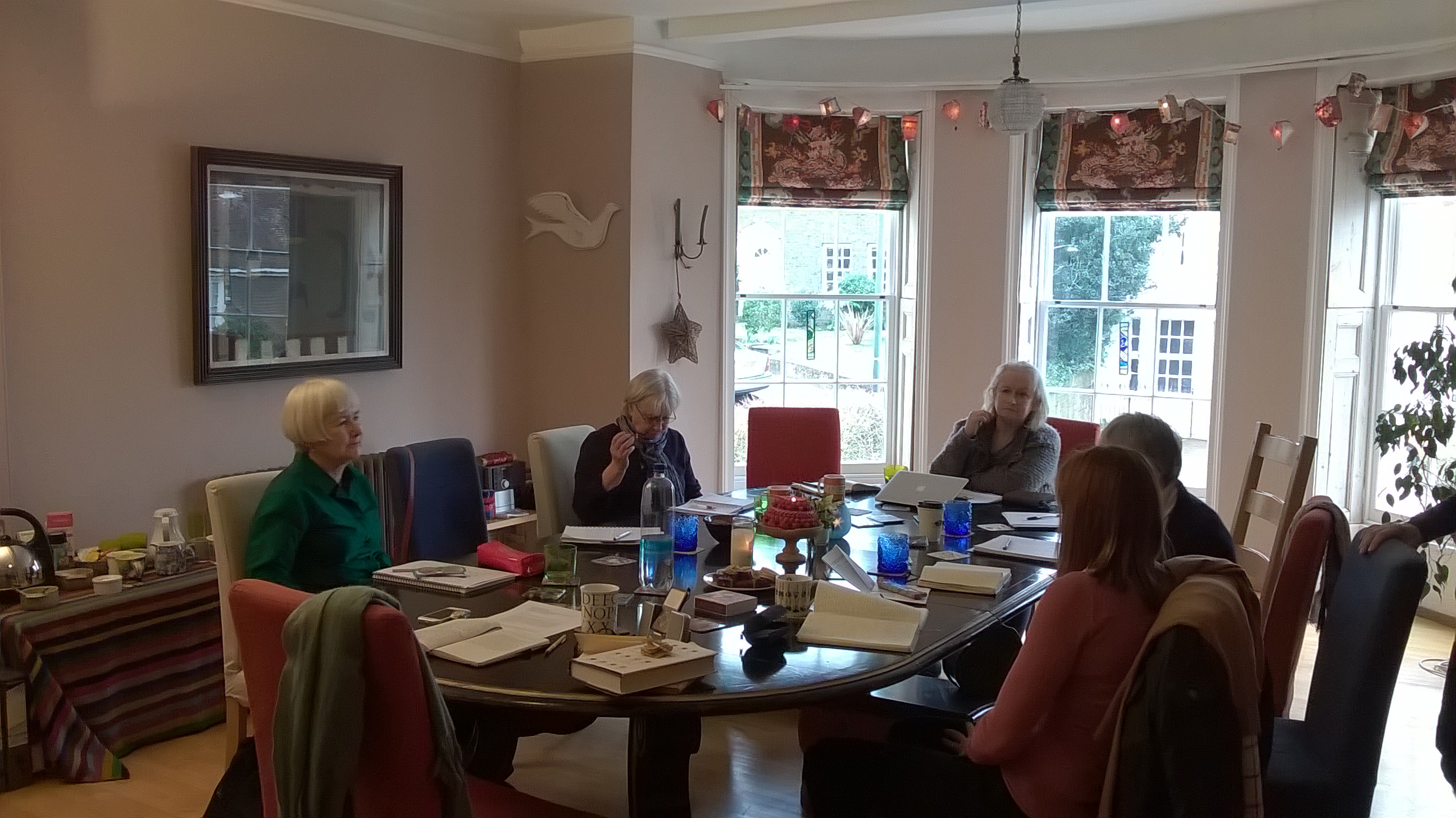
  • The wonderful writing group I belong to meets at Nash House on Mount Sion, which is currently home of author Sarah Salway, but said to have at one time been Beau Nash’s home, where he enjoyed illegal gambling sessions!

WP_20150210_11_08_17_Pro

1606. The Ailing Aristocrat

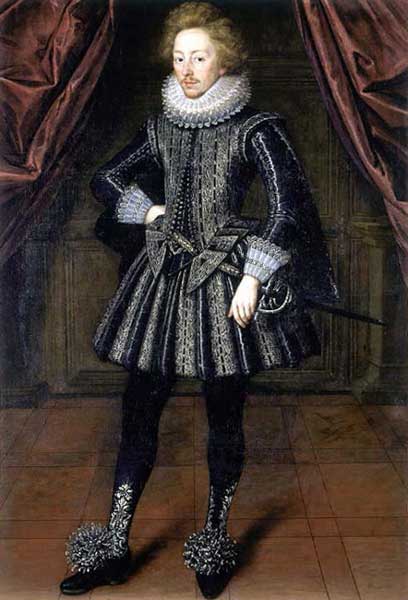
Dudley Lord North. (Source V&A)

He played music, he composed poems, he danced gracefully and excelled at jousting. Dudley, the third Baron North, was a man of many talents. He threw himself wholeheartedly into the  life at the court of King James I and was popular with most courtiers, although his hot temper alienated some of them.

Over time the excesses of Lord North’s lifestyle harmed both his finances and his health and in around 1606 he developed a lingering, consumptive disease, which sapped his energy and lowered his spirits. He was only twenty-five years old, but he felt like an old man at the end of life. A few years earlier, while travelling in Europe on military service, he had consumed copious amounts of hot treacle to protect himself from the plague and he later decided that this (rather than the manner in which he had been living) was the cause of his ill health.

‘Get away from court’, Lord North’s friends and physicians advised. ‘Country air will benefit your health’. So he travelled to Earage in Sussex (now called Eridge) to visit his friend the Earl of Bergavenny (now Abergavenny) and, hopefully, recuperate.

His host’s property, a gothic hunting lodge, was certainly in the country. A good distance from London, it was surrounded with dense, dark forest, broken only by occasional sandstone outcrops, clearings in which iron was smelted over charcoal fires, a few scattered houses and some poor quality roads. The closest town, nine miles or so away, was Tunbridge (present day Tonbridge), with its castle, market and school.

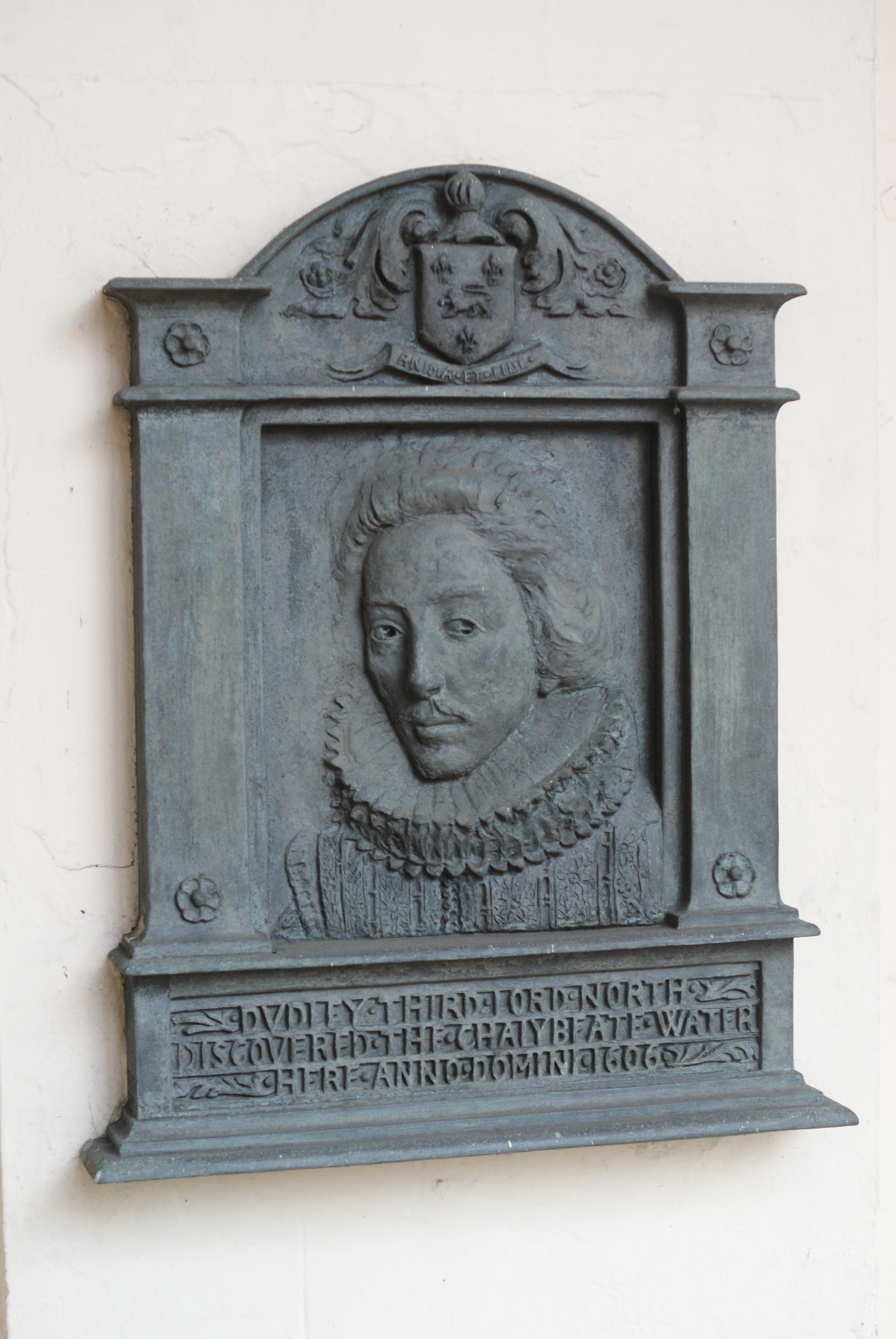
Plaque to Lord North beside the wells

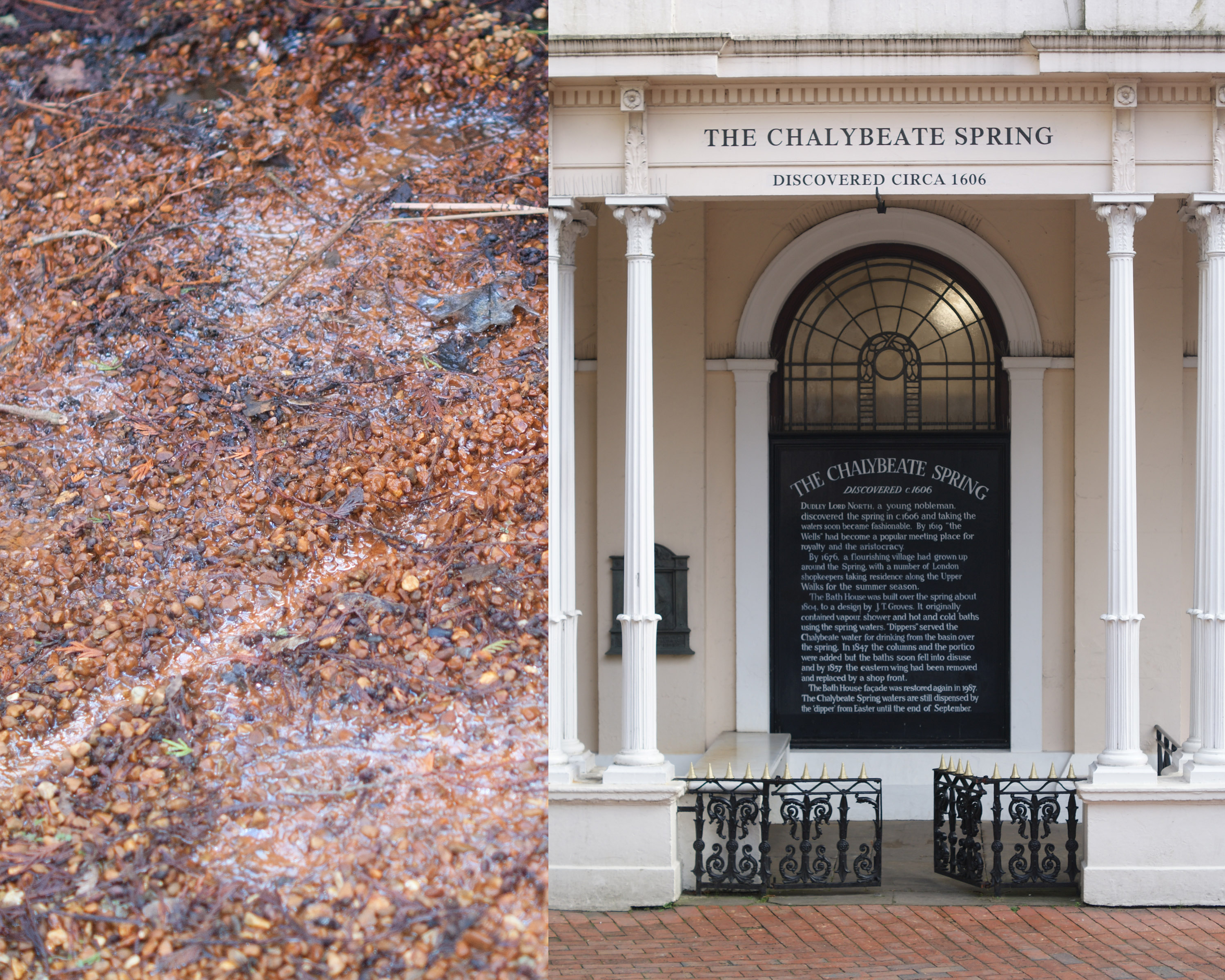
Rural life soon proved too quiet and restrictive for Lord North and the fresh air seemed not to be making any difference to his health. So after just a short time he set off to ride back to London, feeling more despondent than ever. He had only gone a short distance when, as he was passing through a wooded valley, he caught sight of water bubbling up from a spring. The shiny scum on its surface, and the rust-red trail it left as it flowed into a nearby brook, reminded him of a spa he had visited while abroad. Perhaps this water would have the same healing properties?

The story goes that he borrowed a bowl from the occupant of a nearby cottage and drank some of the water. Its iron taste seemed to indicate mineral content and so he had several bottles filled and took them back to London. The physicians he consulted there analysed the water and concluded that it contained ‘vitriol’ – a substance thought to be able to cure ‘the colic, the melancholy, and the vapours’. In addition to this it was said of it: ‘it made the lean fat, the fat lean; it killed flat worms in the belly, loosened the clammy humours of the body, and dried the over-moist brain’. [Note: I have found a number of places where these words are quoted, but nowhere that cites the original source.]

The following year, once winter was over and the roads were in a better state, Lord North returned to Earage and stayed for three further months, drinking the waters regularly. When he appeared at court again, looking in the best of health, the contrast with his previous sickly condition made other courtiers curious as to what had brought about his recovery. Soon many of them were heading into the country in the summer months each year  to visit the spring. To accommodate them Lord Bergavenny had the site cleared, wells dug, paving laid and the area enclosed with wooden railings. A Mrs Humphreys was appointed as the first in a long line of ‘dippers’ to extract water from the spring and pour it out for visitors to drink. (She was said to be the person who had drawn water for Lord North on that first occasion).

Although he had benefited from the water, Lord North was evidently not completely healed. Suffering from both ill health and financial difficulties, he spent most of the rest of his life quietly at his home in Cambridgeshire, occupying himself with his family, music and writing.

The Spring in 1664 (Source: Colbran’s Directory)

The Chalybeate spring, meanwhile, continued to grow in popularity. In the early years visitors had to find accommodation in the nearby hamlets of Rusthall and Southborough, or further away in Tonbridge. However, when Charles I’s French wife, 19-year-old Queen Henrietta Maria, came in 1629 to convalesce after the premature birth and death of her first child, she opted for a different solution and set up camp on nearby Bishops Down for six weeks. As many as forty tents were required to accommodate the Queen and her entourage, who were entertained during their stay by masques and dancing. A further royal visit in 1663, by Henrietta Maria’s son Charles II and his wife Catherine, secured the spa’s popularity.


Over 400 years later…..

In the summer of 2014 the Chalybeate spring ran dry for the first time since Lord North discovered it. Despite various investigations it seemingly has not been possible to discover the reason.

Meanwhile at my home, on the other side of the Common, the rusty spring water that soaks the ground around my bins shows no sign of drying up. A pity that a covenant on the house (which was built in 1901) says I am not permitted to pump water out of the ground!

The Wells

Note

  • This version of the discovery of springs at Tunbridge Wells is the most generally accepted one. However, there is a lack of original sources to confirm it. The earliest account is in Benge Burr’s ‘History of Tunbridge Wells’, published over 100 years’ later in 1766. Even he acknowledges the lack of concrete evidence available to him.
  • A ‘Chalybeate’ spring is one whose water contains iron salts. It is pronounced Ka-lee-bee-at.